Off-Grid Solar Energy Plant Solutions | Soluvis Energy
Jul-16-2026
Achieve complete energy independence with an Off-Grid Solar Energy Plant that provides reliable electricity without depending on the utility grid.
07 July 2026
With the increasing demand for electricity and rising energy costs, businesses, industries, and homeowners are looking for reliable and sustainable energy solutions. Renewable energy sources have become an important alternative to traditional power generation methods, and Off-Grid Solar Energy Plants are one of the most effective solutions for achieving energy independence.
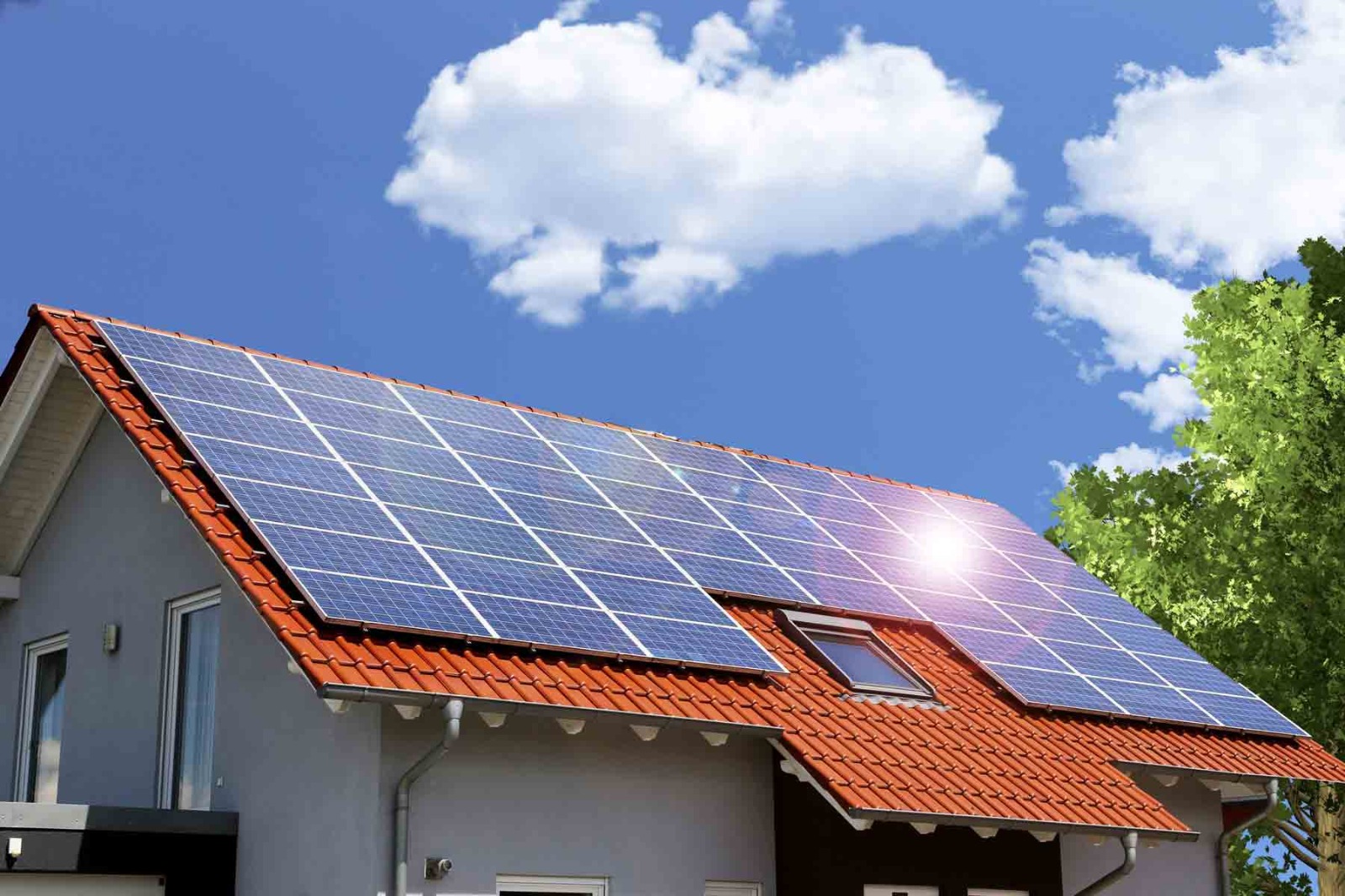
An Off-Grid Solar Energy Plant is a standalone solar power system that generates electricity without depending on the main electricity grid. It uses solar panels to convert sunlight into electrical energy and stores excess power in batteries for future use. This stored energy provides a continuous power supply during nighttime, cloudy weather, or situations where solar generation is unavailable.
These solar systems are highly beneficial for remote locations, rural areas, agricultural farms, industries, telecom infrastructure, and places where grid electricity is either unavailable or unreliable. By installing an off-grid solar plant, users can reduce electricity costs, improve energy reliability, and contribute towards a cleaner environment.
What is an Off-Grid Solar Energy Plant?
An Off-Grid Solar Energy Plant is an independent solar power generation system that operates without any connection to the traditional electricity grid. Unlike on-grid solar systems, which rely on grid availability, off-grid solar plants generate, store, and supply electricity independently.
The system uses solar panels to capture sunlight and convert it into electricity. The generated power is either used immediately or stored in batteries for later consumption. This allows users to access electricity even in areas where conventional power supply is not available.
Off-grid solar energy plants are especially useful in remote areas where installing grid infrastructure is difficult or expensive. They provide a reliable source of electricity for residential, agricultural, commercial, and industrial applications.
How Does an Off-Grid Solar Energy Plant Work?
- Solar Panels Generate Electricity – Solar panels absorb sunlight and convert it into direct current (DC) electricity.
- Solar Inverter Converts Electricity – The inverter converts DC electricity into alternating current (AC) electricity for household, commercial, and industrial use.
- Battery Storage – Excess electricity generated during the day is stored in batteries for use during nighttime or cloudy weather.
- Continuous Power Supply – Stored electricity powers lighting systems, pumps, appliances, machinery, and other connected electrical loads.
Main Components of an Off-Grid Solar Energy Plant
- Solar PV Modules – Capture sunlight and generate electricity.
- Solar Inverter – Converts DC electricity into usable AC electricity.
- Battery Storage System – Stores excess energy for backup power.
- Solar Charge Controller – Protects batteries from overcharging and deep discharge.
- Mounting Structure – Provides secure support for solar panels.
- Monitoring System – Tracks system performance and energy generation.
Benefits of Installing an Off-Grid Solar Energy Plant
- Complete energy independence from the utility grid.
- Reliable battery backup during power outages.
- Reduces monthly electricity costs.
- Provides uninterrupted electricity in remote areas.
- Environment-friendly renewable energy solution.
- Low maintenance and long operational life.
- Suitable for residential, agricultural, commercial, and industrial applications.
Applications of Off-Grid Solar Energy Plants
- Residential Homes
- Farmhouses and Agricultural Irrigation
- Remote Villages
- Industrial Facilities
- Commercial Buildings
- Telecommunication Towers
- Schools and Colleges
- Hospitals and Healthcare Centers
- Hotels and Resorts
- Government Infrastructure Projects
Things to Consider Before Installation
- Evaluate your daily electricity consumption.
- Select the appropriate battery backup capacity.
- Choose high-efficiency solar panels.
- Install a reliable solar inverter and charge controller.
- Ensure sufficient shadow-free installation space.
- Select an experienced solar installation company.
- Review warranty and after-sales service support.
Why Choose Soluvis Energy?
Soluvis Energy provides complete off-grid solar energy solutions, including consultation, site survey, customized system design, engineering, installation, battery integration, testing, commissioning, and maintenance services. Our experienced team uses premium-quality solar panels, batteries, inverters, and mounting structures to deliver reliable, efficient, and long-lasting solar power systems for residential, commercial, agricultural, and industrial projects.
Frequently Asked Questions (FAQs)
- What is an Off-Grid Solar Energy Plant?
It is a standalone solar power system that generates and stores electricity without relying on the utility grid. - Does an off-grid solar system require batteries?
Yes. Batteries are essential for storing excess electricity and providing backup power. - Can an off-grid solar plant power an entire home?
Yes. The system capacity can be customized according to your electricity requirements. - Where are off-grid solar systems commonly installed?
They are widely used in remote villages, farms, industries, telecom towers, resorts, and areas without reliable electricity. - How long do solar batteries last?
Depending on the battery technology, they typically last between 5 and 15 years. - Is maintenance required?
Only regular solar panel cleaning and periodic battery inspections are generally required. - Can the system be upgraded later?
Yes. Additional solar panels and batteries can be added as energy requirements increase. - Is an Off-Grid Solar Energy Plant a good investment?
Yes. It provides long-term energy savings, reliable backup power, and complete energy independence.
Recent Blogs